Does Menopause Reason Urinary Incontinence?
Exactly How Is Urinary Incontinence Linked To Menopause?
Many females experience bladder leak throughout perimenopause and menopause, however Informative post it doesn't mean you need to deal with it. Discover why it occurs and what can be done to treat signs and symptoms of urinary incontinence during the Menopause And Incontinence. This sort of incontinence happens when exercises such as laughing, sneezing, coughing, or working out put pressure on your bladder, causing leak. It is commonly linked to the weakening of pelvic floor muscular tissues, which can occur due to hormone changes during menopause. As a RN who's worked in geriatrics for over 14 years, I know very first hand that transforms in bladder control can be an usual component of aging.Additionally, all-natural aging can contribute to the loss of muscular tissue tone in the pelvic region, making bladder control harder with time. Giving birth, obesity, smoking cigarettes, and specific chronic problems Have a peek at this website like diabetes mellitus can additionally increase the threat of developing urinary incontinence. Testosterone aids preserve prostate health, while estrogen impacts the bladder cellular lining and pelvic muscles. Both are essential for normal urinary tract function and decreasing risk aspects for cardiovascular disease and prostate cancer. But before discussing treatment options, we'll first analyze the function that estrogen plays in urinary incontinence and urinary system tract infections. Sometimes, urinary incontinence might be associated with various other clinical problems past hormone adjustments.
Non-hormonal Medicines And Progressed Treatments For Urinary Incontinence
It's officially specified as the last menstrual period that a lady experiences. The years leading up to menopause are called perimenopause and may begin years before you in fact have your last period. We have actually all heard the characteristic signs and symptoms of menopause-- hot flashes, mood swings, and night sweats to name a few. But one very usual symptom of menopause that several ladies don't talk about is urinary system incontinence.
Women Urinary Incontinence: It's Even More Typical Than You Believe, However We Have Remedies
- Additionally, like all muscles, the bladder and urethra muscular tissues lose some of their stamina as you get older.
- These drugs are usually made use of when lifestyle adjustments and bladder training alone are inadequate to manage signs and symptoms.
- Estrogen plays a critical role in preserving the wellness of your urinary tract.
- 4 in 10 women enhanced their symptoms after trying Kegels.9 Kegels can be done daily and might be especially helpful while pregnant.
- If you have a hysterectomy, the removal of your womb activates menopause also if you aren't near the average age of menopause.
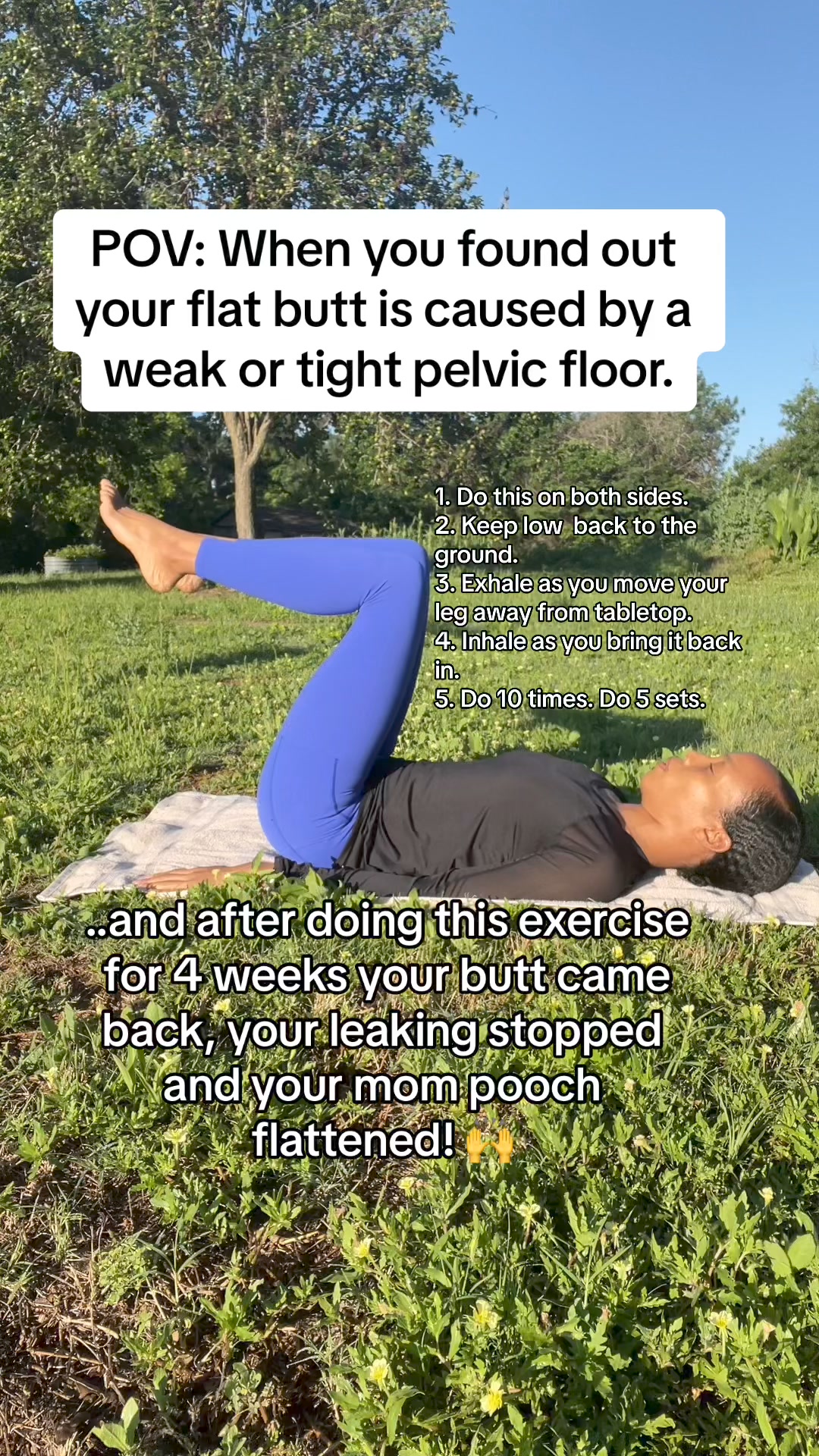
Estrogen plays a critical duty in maintaining the health of your urinary system. Minimized estrogen levels during menopause can lead to thinning of the genital wall surfaces and weakening of the pelvic floor muscular tissues, both of which support your bladder and urethra. The pelvic flooring muscular tissues assist sustain the bladder, uterus, and bowel while also assisting control urine circulation. Hormonal changes can deteriorate these muscles and degeneration connective cells that support them in time. When the pelvic floor comes to be weaker, the bladder and urethra may not receive adequate assistance, enhancing the chance of stress urinary system incontinence. Pelvic flooring physical therapy is a specific therapy that retrains the pelvic flooring muscular tissues (that assistance manage your bladder) to work correctly.

Symptoms consist of genital dryness, lowered lubrication, pain with sexual intercourse, and urinary problems like increased seriousness, frequency, and urinary incontinence. That absence of estrogen damages and thins the bladder wall surface, that makes urinary functions less predictable. These adjustments can also deteriorate the pelvic floor muscle mass, which minimizes overall assistance for the bladder and urethra. A drop in estrogen and other hormonal agent adjustments can impact muscle mass strength in the pelvic area, boosting one's possibilities of experiencing urinary incontinence.